
Kitchen renovation cost guide
A small refresh often starts with painting, new handles, and swapping a few tired appliances. Typical budgets for this light update sit around £2,000 - £6,000, based on the size of your room and the products chosen. Labour makes up a fair share of the spend, so planning the work in a tidy order helps. Savings come from keeping the layout the same and reusing sound cabinets.
A mid-range refit usually includes new cabinets, worktops, flooring, lighting, and a modest change to the layout. Many households spend £8,000 to £18,000 for this level, with costs rising for stone worktops and branded appliances. Fitters may choose to charge a day rate or a fixed fee, so make sure you get clear quotes before you start. Delivery, waste removal, and small repairs can add 10 to 15 percent to the total.
A high specification kitchen tends to involve bespoke units, premium worktops like quartz or solid wood, and built-in appliances. Budgets of £20,000 to £40,000 are quite common around the UK, and complex layouts or structural work can push higher. Ventilation, electrics, and plumbing must meet current rules, which can add to the price. A contingency of at least 10 per cent is wise for hidden issues behind old cabinets.
Bathroom renovation cost guide
A simple bathroom update might keep the same layout while replacing the bath, basin, and toilet. Budgets for this level often range from £3,000 to £7,000, with price shaped by the suite you choose. Tiles and flooring tend to vary widely in cost, so set a limit per square metre before shopping. Basic ventilation and lighting upgrades keep moisture down and improve comfort.
A full refit with layout changes usually costs more because of plumbing and waste adjustments. Many projects in this band sit around £6,000 to £12,000, with higher figures for separate shower enclosures and quality brassware. Waterproofing, known as tanking, is essential for walk-in showers and wet rooms. Skipping this step means you may risk leaks that can damage the ceilings below.
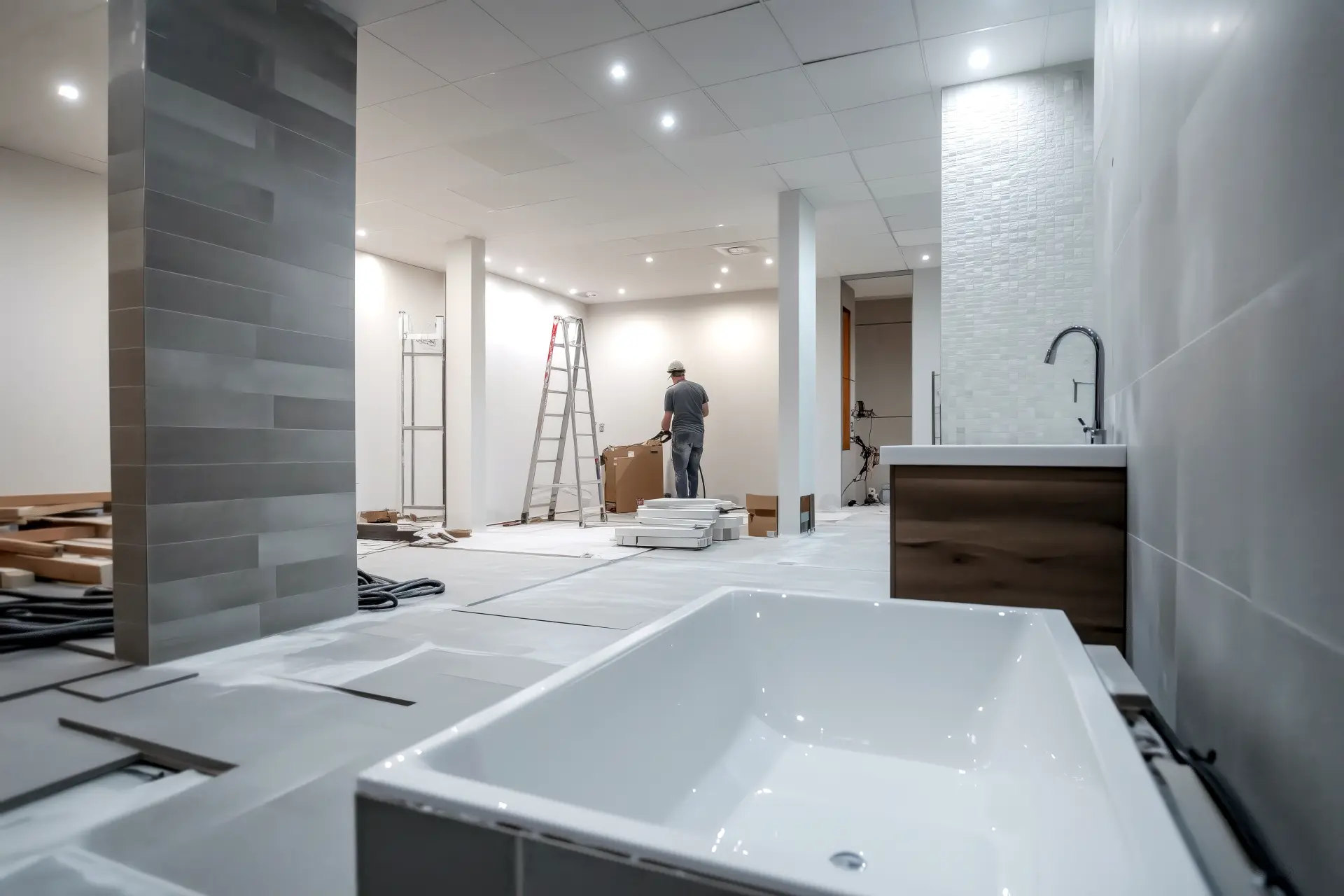
Luxury bathrooms introduce plenty of useful but quite costly features like underfloor heating, stone tiles, and bespoke storage. Budgets of £12,000 to £25,000 are normal, especially in larger rooms or when moving walls. Skilled tilers and certified electricians are worth the fee to ensure a neat and safe finish. Longer lead items, such as custom glass, must be measured after tiling, which affects timing.
A careful plan for waste disposal and access helps the work run smoothly. Booking a skip for a tight street might need a council permit. Protecting stairs and hallways enables you to avoid any scratches and dust spreading through your home. Be sure to keep one working loo during the building process to save stress on your household.
Whole house renovation cost guide
A deeper renovation may involve rewiring, new plumbing, replacement radiators, and a modern boiler. Budgets for a standard three-bed house often land between £40,000 and £90,000, with regional labour rates making a difference. Rewiring requires chasing walls, which means replastering and redecorating afterwards. Planning the order of work avoids redoing finished areas.
A full strip back project can include moving walls, fitting new windows, insulating, and installing a new kitchen and bathrooms. Costs for this level can sometimes reach £100,000 to around £250,000 or more, guided by size, structure, and finish. Building control sign-off, warranties, and certificates are important documents to keep. Surveys for damp, asbestos, and structural movement limit the risks before you commit.
A smart approach to budgeting keeps cash flow under control. Setting a 10 to 15 percent contingency covers surprises like rotten joists or faulty drains. Paying in stages on agreed milestones protects both the homeowner and the contractor. Keeping a shared programme in writing makes it clear who does what and when.
Loft conversion cost guide
A simpler roof light loft conversion adds windows and basic insulation without changing the roof shape. Many projects fall between £20,000 and £35,000 for a small space with stairs and a modest finish. Structural calculations and building control checks are required to ensure safety. Head height needs plenty of attention, as usable space depends on the vertical clearance under the ridge.
A dormer conversion increases floor area and makes the room easier to furnish. Costs the UK often range from £35,000 to £60,000, rising with en-suites, bespoke storage, and high-quality finishes. Roofing, cladding, and flashing details must be done well to help avoid major leaks. Fire safety rules can require upgraded doors and linked smoke alarms on all floors.
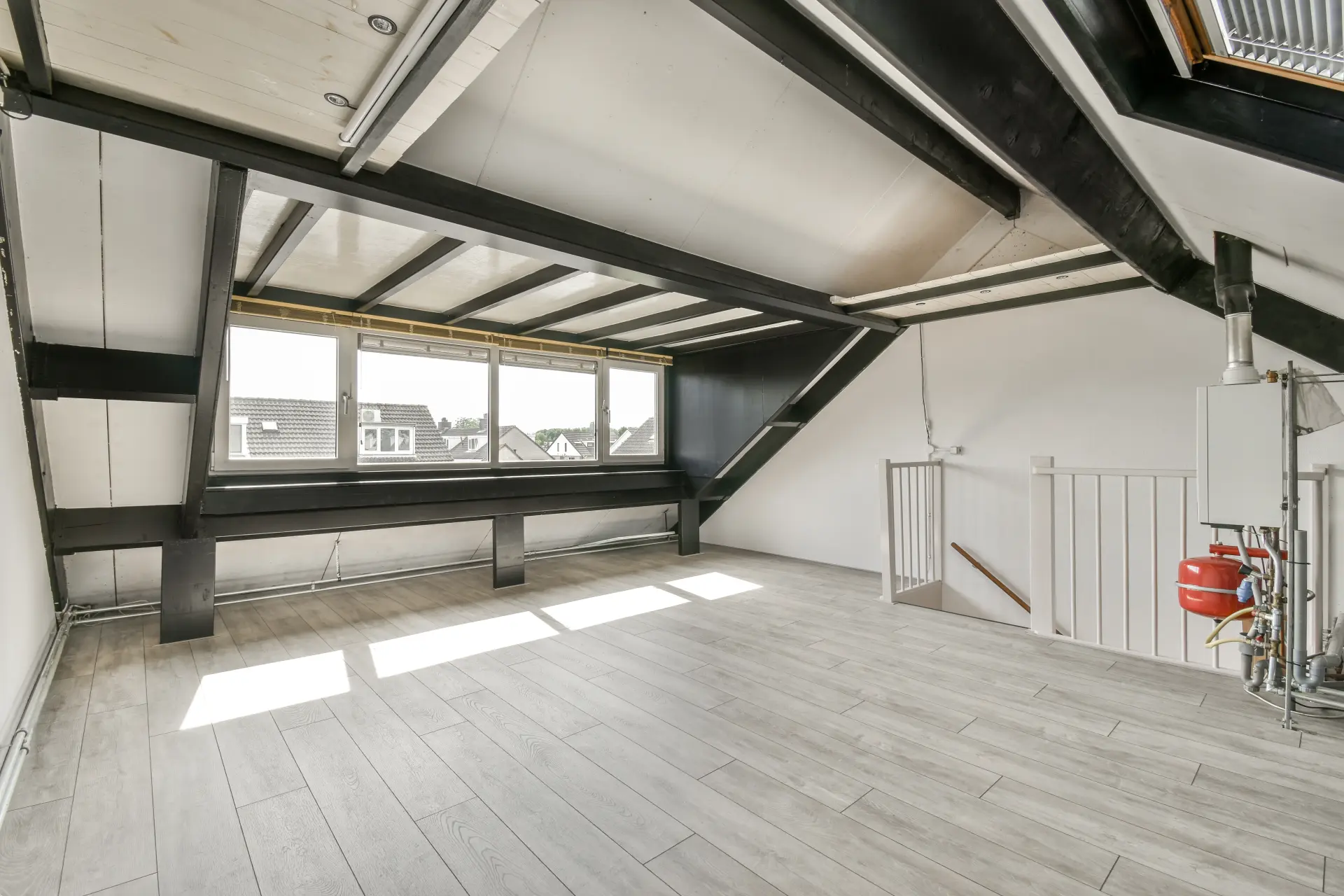
A hip-to-gable conversion suits some semi-detached and end-terrace homes by extending the side roof. Budgets may sit between £50,000 and £80,000 or more, particularly when space is tight or access is tricky. Party wall agreements might be needed when works affect a shared wall. Clear drawings and a structural design reduce disputes and delays.
Well-planned lofts benefit from lots of good natural light and a thoughtful layout. Positioning the stairs to land over the existing staircase can save floor area below. Placing the bed under the highest point improves comfort and circulation. Adding plenty of sockets and a radiator or underfloor heating boosts everyday use.
Extension cost guide
Small rear extensions with basic finishes are usually the least costly way to add space. Prices per square metre typically range from around £1,800 to £2,800 for standard quality, not including kitchen or bathroom fit-out. Foundations, drainage, and access can move the prices up or down, whereas the more simple shapes and standard openings tend to help keep your costs under control.
A larger or higher specification extension with wide sliding or bifold doors, roof lights, and quality cladding will cost more. Many builds come in at £2,800 to £4,000 per square metre for better finishes and complex steelwork. Structural glazing, flush thresholds, and high insulation values lift the final bill. Mechanical ventilation with heat recovery can improve air quality in well-sealed spaces.
A two-storey extension adds bedrooms above the living space and can offer good value per square metre. Budgets vary widely from £2,200 to £3,500 per square metre, with bathrooms and stair design affecting totals. Planning approval may be required if the size goes beyond permitted limits. Neighbours should be informed early to manage expectations about access and noise.
At Builder Exeter, we're here to help you carry out a number of building services to help you achieve your project goals. If you wish to renovate your home or property, give our team a call, and we'll help you kickstart the process and aid you throughout each of designing and building stages.
Related Articles
Common Renovation Mistakes and How To Avoid Them